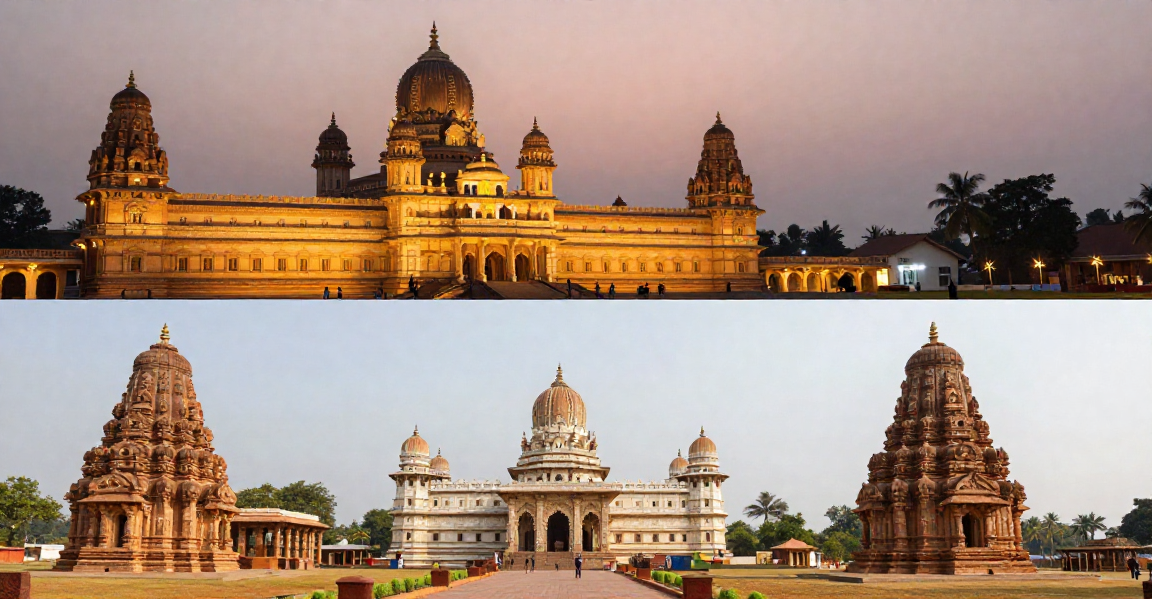

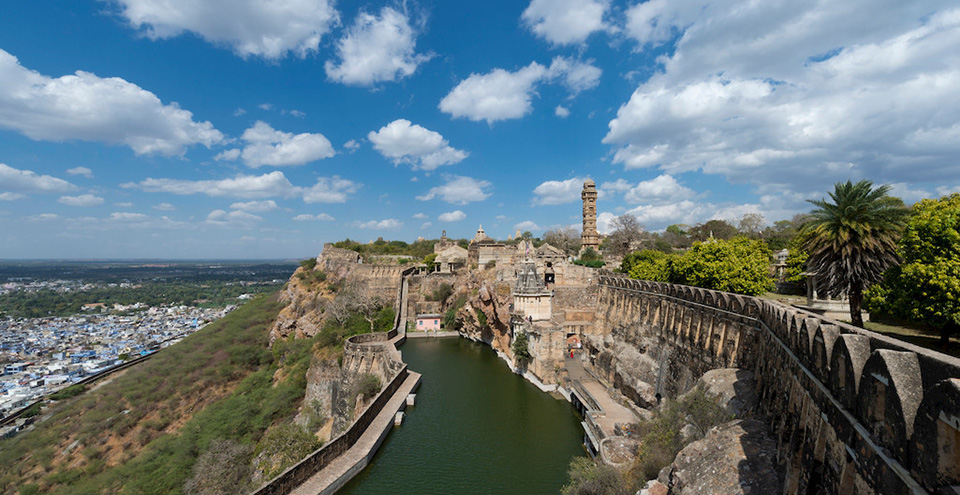
Chittorgarh is where legend meets stone. Steeped in Rajputana valor, sacrifice and romance, this historic city is dominated by the mighty Chittorgarh Fort — a sprawling stronghold that rises 180 metres above the plains and spreads across some 700 acres. Every wall, palace and temple here echoes stories of heroic resistance, royal splendour and enduring faith that have been passed down through generations.
From epic tales of sieges and jauhar to delicate temple carvings and panoramic hilltop views, Chittorgarh offers visitors a rich, layered experience — perfect for history lovers, heritage photographers, pilgrims and anyone who wants to feel India’s past come alive.
Why visit Chittorgarh?
-
Historic significance: The fort witnessed three major sieges (1303, 1533 and 1568) and stands as a testimony to Rajput courage.
-
Architectural variety: Inside the fort and around the district you’ll find massive palaces, intricate Jain temples, formidable gateways and elegant cenotaphs.
-
Scenic vistas: Hilltop terraces and towers reward visitors with sweeping views of the city, lakes and surrounding countryside.
-
Spiritual sites: Ancient temples dedicated to multiple faiths sit alongside reservoirs and sacred tanks that continue to draw pilgrims.
Top attractions in Chittorgarh
Light & Sound Show at Chittorgarh Fort
Experience the fort’s history after sunset with a dramatic light-and-sound presentation that uses DMX-controlled LED lighting, gobo projectors and a 5.1 surround soundtrack. The show narrates the fort’s foundation, its rulers and the great battles. Timing: After sunset. Contact: 01472 241238.
Vijay Stambh (Tower of Victory)
Built by Maharana Kumbha between 1440–1448 AD to celebrate victories over regional powers, the nine-storey Vijay Stambh is carved from red sandstone and marble and decorated with sculptures of Hindu deities. Climb the narrow steps for one of the best panoramic views of Chittorgarh.
Kirti Stambh (Tower of Fame)
This 12th-century seven-storey tower is dedicated to Adinathji, the first Jain Tirthankara. Adorned with figures of Digambara monks, it stands close to several important Jain temples inside the fort complex.
Fateh Prakash Palace (Government Museum)
Once the royal residence of Maharana Fateh Singh, this palace now houses a museum with collections that include regional woodcraft from Bassi, medieval Jain sculptures, arms and armour, tribal figures, paintings and crystal ware. Timings: 09:45–16:45. Entry: Indian ₹20, Child ₹10, Foreigner ₹100, Foreigner Child ₹50.
The Jain Temples of Chittorgarh Fort
The fort contains six major Jain temples — the largest dedicated to Bhagawan Adinatha with 52 devkulikas. Satbees Deori, with its 27 deities, is a highlight for its finely carved interiors and exterior ornamentation.
Kalika Mata Temple
Originally an 8th-century sun temple, it was rebuilt and rededicated to Goddess Kali by Rana Hameer in later centuries. The shrine symbolizes strength and devotion.
Tulja Bhawani Temple
A 16th-century shrine associated with the warrior Banvir, the Tulja Bhawani Temple is linked with tales of Tula Dan (donations equalling a donor’s weight) and later Maratha devotion.
Gaumukh Reservoir
This sacred spring-fed tank, formed where water emerges from a rock shaped like a cow’s mouth, is venerated by locals and adds a serene atmosphere to the fort area.
Ratan Singh Palace & Rana Kumbha Palace
Ratan Singh’s winter palace overlooks a small lake and rewards exploration. The vast ruins of Rana Kumbha Palace (Kumbha Mahal)—one of the largest monuments within the fort—offer an intimate glimpse into royal life and the complex palace architecture of Mewar.
Kumbha Shyam Temple
Originally dedicated to Lord Varaha, this 8th-century temple was renovated by Maharana Kumbha in the 15th century. Its Indo-Aryan style and sculptural detail showcase expert craftsmanship.
Meerabai Temple
A place of devotion to the poet-saint Meerabai, this temple’s north-Indian style structure rises from a raised plinth and houses a charming shrine surrounded by open porches.
Menal Temple & Waterfall (nearby)
About 80 km from Bhilwara on the Bhilwara–Kota road, Menal is famous for a dramatic waterfall that plunges roughly 150 metres into a V-shaped valley. Best visited during monsoon and post-monsoon months.
Nagari (Majhimika)
18 km north of Chittorgarh, Nagari (ancient Majhimika) has archaeological remains showing Hindu and Buddhist influence, ancient coins and temple ruins — a valuable site for history buffs.
Bhainsrorgarh Fort (Heritage Hotel)
Perched on a slate ridge and surrounded by the Chambal and Brahmani rivers, Bhainsrorgarh (now a heritage hotel) stands amid Aravalli foothills and dense forests. Its riverside setting and storied past make it a memorable detour.
Baroli Temples (Rawatbhata)
About 115 km from Chittorgarh, the 9th-century Baroli temple complex is an excellent example of early medieval Hindu architecture, with the Ghateshwar Mahadev temple as the centrepiece.
Jaimal & Patta’s Palace and Bhamashah ki Haveli
Inside the fort you’ll find memorials to heroic commanders Jaimal and Patta, plus lesser-known but evocative sites such as Bhamashah’s haveli — an atmospheric reminder of Mewar’s loyal ministers and patrons.
Sanwaliya ji Temple, Bassi Village & Bassi Wildlife Sanctuary
Sanwaliya ji Dham attracts millions of devotees; nearby Bassi village is famed for its wooden art and small medieval ruins. Bassi Wildlife Sanctuary (est. 1988) supports chital, sambar, leopard and diverse birdlife — ideal for nature lovers and birdwatchers.
Practical tips
-
Best time to visit: October – March (pleasant weather for sightseeing). Menal waterfall is best in monsoon/post-monsoon.
-
What to wear: Comfortable shoes (many sites involve climbing), sun protection and modest clothing for temple visits.
-
Guides & permissions: Hiring a local guide at the fort entrance enhances the experience; some monuments are under ASI protection and may have entry restrictions.
-
Safety: Stay hydrated; follow signage and do not enter restricted ruins.
Chittorgarh is more than a fort — it is a living chronicle of courage, art and devotion. Whether you are tracing the footsteps of Rajput heroes, photographing intricate carvings, or simply watching the sun set from a rampart, Chittorgarh promises an unforgettable journey into India’s regal past.