
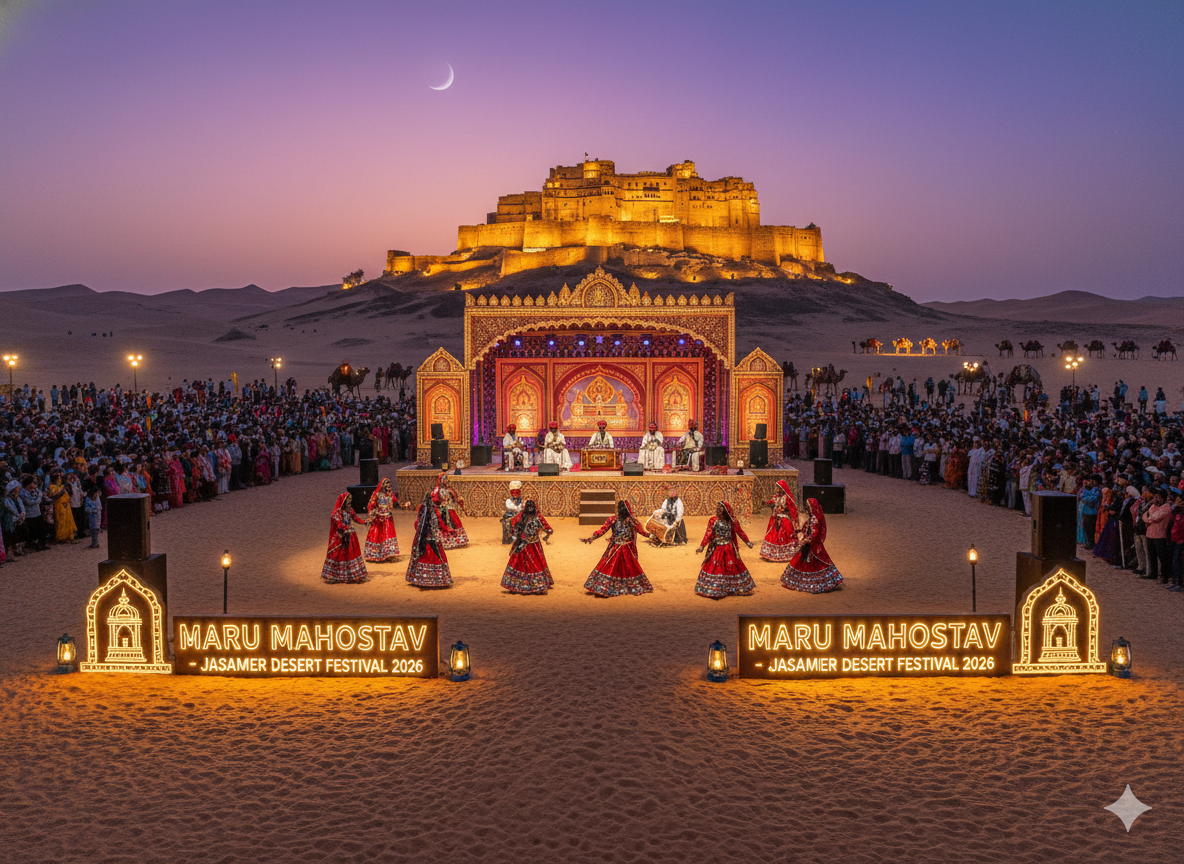
Every year in the months of January–February, the golden sands of Rajasthan transform into a vibrant stage of music, dance, tradition, and adventure with the grand celebration of Maru Mahotsav 2026, also known internationally as the Desert Festival. Organized by the Rajasthan Tourism Department, this iconic festival attracts thousands of domestic and international tourists, making it one of India’s most celebrated desert festivals and a defining symbol of Rajasthan’s cultural identity.
Set against the breathtaking backdrop of rolling sand dunes, historic forts, and vast open skies, Maru Mahotsav is a magnificent showcase of Rajasthan’s colorful folk culture, warrior traditions, desert lifestyle, and royal heritage. The festival is not merely a tourist event—it is a living celebration of the spirit of the Thar Desert and the people who call it home.
The Cultural Essence of Maru Mahotsav
Maru Mahotsav represents the soul of desert life. The word “Maru” itself refers to the desert, and the festival is dedicated to the traditions that have evolved here over centuries. It reflects the resilience, joy, creativity, and artistic brilliance of desert communities who have thrived in one of the harshest natural environments in the world.
Through music, dance, competitions, and spectacular camel events, the festival brings to life the folklore, rhythm, fashion, cuisine, and customs of rural Rajasthan. It offers visitors a rare opportunity to experience authentic desert culture in its purest and most celebratory form.
A Magnet for Global Tourists
Over the years, Maru Mahotsav has emerged as a major international tourism attraction. Tourists from Europe, the United States, Japan, Australia, and other parts of the world travel to Rajasthan especially to witness this festival. The combination of desert landscapes, traditional performances, and thrilling competitions creates an experience that is both culturally rich and visually stunning.
The Rajasthan Tourism Department carefully curates the festival to provide visitors with a safe, organized, and immersive cultural environment. From luxury desert camps to local bazaars and cultural villages, the entire region turns into a lively festival ground during this period.
Iconic Attractions of Maru Mahotsav
One of the biggest highlights of Maru Mahotsav 2026 is its diverse range of cultural and adventure-based attractions that reflect Rajasthan’s desert traditions.
Puppet Shows (Kathputli)
The traditional Kathputli shows are among the most loved attractions of the festival. Local puppet artists narrate historical tales, folk legends, and social stories through beautifully crafted wooden puppets. Accompanied by live music and vocal narration, these performances captivate audiences of all ages and preserve an art form that dates back hundreds of years.
Acrobatics and Folk Arts
Traditional acrobatics (kalabaazi) showcase extraordinary physical skills, balance, and coordination. Performers execute daring stunts, human pyramids, and rhythmic movements that leave spectators spellbound. These displays highlight the athletic traditions of rural Rajasthan passed through generations.
Camel Races and Camel Polo
The camel race is one of the most thrilling events of Maru Mahotsav. With their long strides and steady pace, decorated camels race across the desert terrain, drawing loud cheers from spectators. The rare and exciting sport of camel polo adds a unique royal flavor to the festival, reflecting Rajasthan’s historical connection with the camel as a symbol of desert life and warfare.
Folk Dance and Music Performances
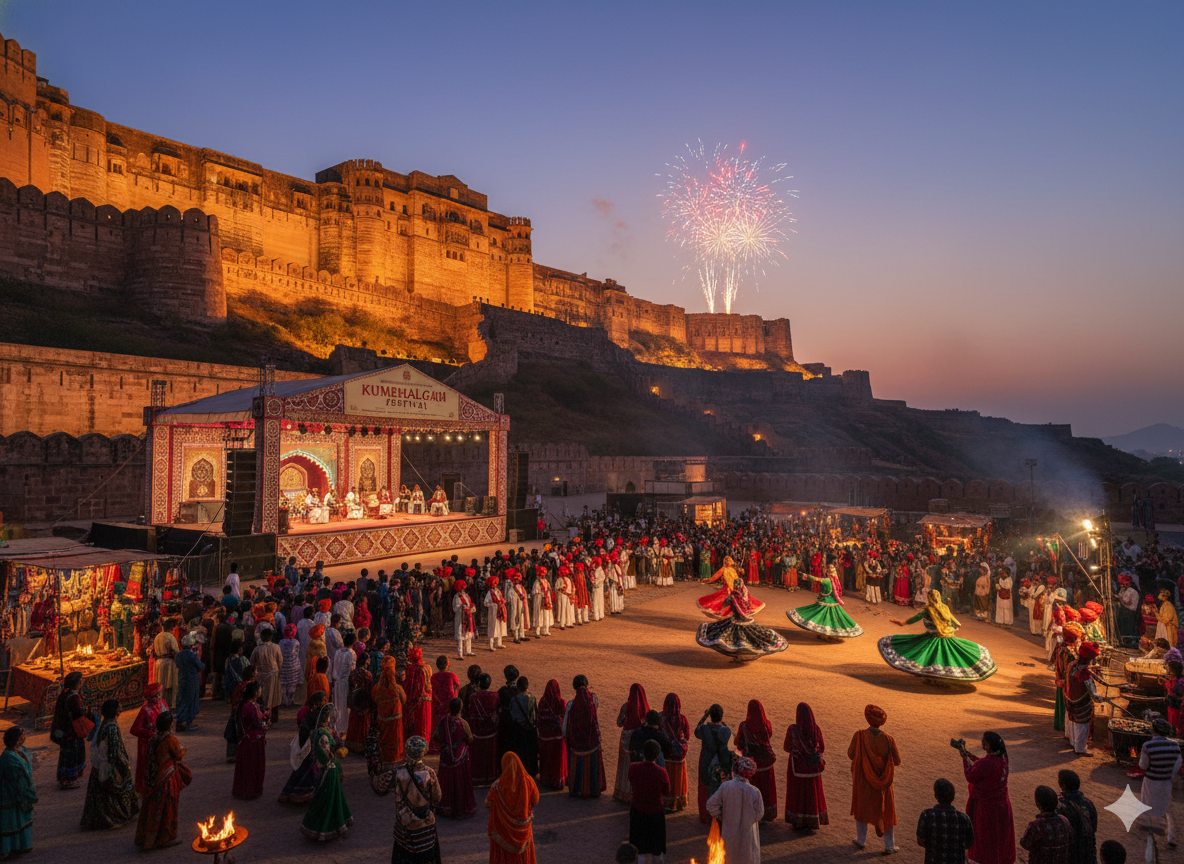
No Maru Mahotsav is complete without its mesmerizing folk dance and music performances. Renowned dance forms such as Ghoomar, Kalbeliya, Bhavai, Terah Taali, and Chari Dance light up the festival stage. The rhythmic beats of dholak, nagada, khartal, and sarangi create an electrifying atmosphere that echoes across the desert.
The Kalbeliya dance, performed by the snake-charmer community, remains one of the most internationally admired attractions of the festival due to its fluid movements and dramatic expressions.
A Celebration of Desert Fashion and Lifestyle
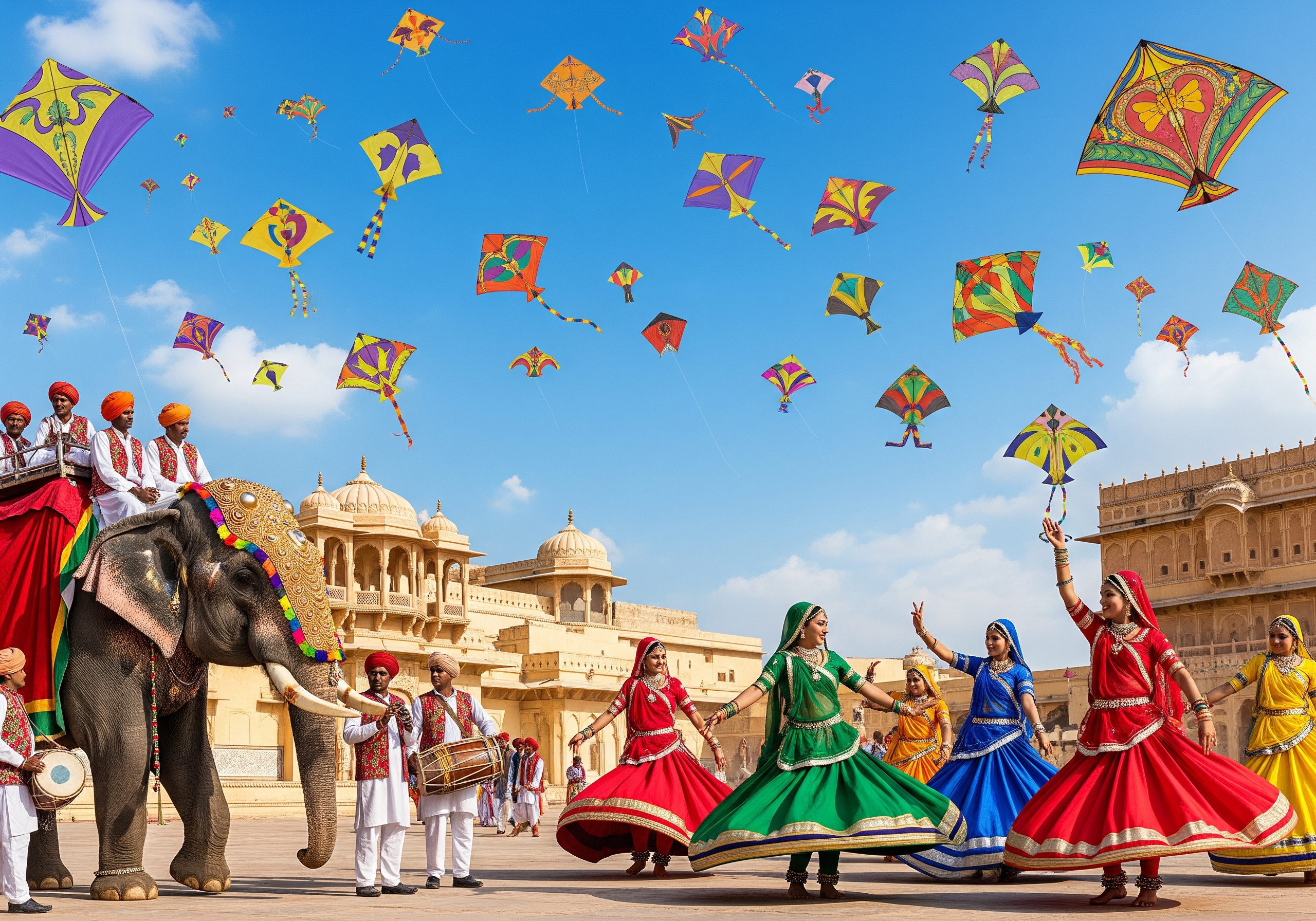
Maru Mahotsav is also a grand platform for showcasing traditional Rajasthani costumes, jewelry, and rural lifestyle. Men dressed in vibrant turbans and women adorned with mirror-work ghagras and silver ornaments add to the visual richness of the festival.
Visitors can explore stalls selling handicrafts, leather goods, embroidery, miniature paintings, carpets, and traditional fabrics. These markets not only provide authentic souvenirs to tourists but also support local artisans and craftsmen.
Traditional Cuisine: A Feast of Desert Flavours
The festival also presents a delightful journey through Rajasthan’s desert cuisine. Food stalls serve iconic dishes such as dal baati churma, ker sangri, gatte ki sabzi, bajre ki roti, ghewar, and malpua. Prepared using traditional methods, these dishes reflect the ingenuity of desert cooking, which evolved with limited water and harsh climate conditions.
For tourists, tasting these authentic flavors becomes an unforgettable part of their Maru Mahotsav experience.
Desert Safaris and Cultural Village Experiences
Alongside stage performances and competitions, Rajasthan Tourism also offers desert safaris, camel rides, jeep safaris, and cultural village tours during the festival. Visitors can witness rural crafts, interact with local communities, and experience daily desert life.
Luxury tented camps provide a royal desert living experience, blending modern comfort with traditional hospitality. Evening cultural programs in these camps often include folk performances under the open starlit sky.
Contribution to Tourism and Local Economy
Maru Mahotsav plays a vital role in strengthening Rajasthan’s tourism-driven economy. Hotels, desert camps, transport operators, local guides, artisans, shopkeepers, and food vendors receive a significant boost in income during the festival season.
For local communities, the festival generates seasonal employment and encourages the preservation of traditional art forms. It also strengthens Rajasthan’s position as one of India’s leading cultural tourism destinations.
Best Time to Visit and Travel Tips
Maru Mahotsav is usually organized in late January or February, when the desert climate is pleasant during the day and cool at night. This period is ideal for sightseeing, desert safaris, and outdoor performances.
Visitors are advised to:
-
Carry warm clothing for evenings, as desert temperatures drop after sunset
-
Use sun protection during daytime events
-
Book accommodation and travel in advance, as this is peak tourist season
-
Follow local safety guidelines during camel events and desert activities
How to Reach the Festival Region
Major desert festival venues are well connected by air, rail, and road.
-
By Air: The nearest airports are well linked with major Indian cities.
-
By Rail: Important railway junctions offer regular train services.
-
By Road: National and state highways ensure smooth road connectivity from nearby cities.
Taxis, tourist coaches, and local transport services are easily available during the festival period.
Digital Access and Official Updates
Tourists can get the latest updates regarding festival dates, performance schedules, and travel advisories through the official Rajasthan Tourism website and social media platforms. These digital channels provide accurate and real-time information for planning the trip.
A Festival That Celebrates the Spirit of the Desert
Maru Mahotsav 2026 is not just a festival—it is a powerful cultural experience that brings together heritage, hospitality, adventure, and artistic excellence. The golden desert, the rhythmic beats of folk music, the thrill of camel races, and the warmth of Rajasthani hospitality together create memories that last a lifetime.
For travelers seeking authentic cultural immersion, for photographers searching for dramatic landscapes, and for art lovers fascinated by folk traditions, Maru Mahotsav offers an unparalleled window into the soul of the Thar Desert.
In every sense, Maru Mahotsav 2026 stands as a grand celebration of Rajasthan’s timeless desert heritage and its enduring cultural pride.